Baking
57 recipes
 Sharing the food love.

"I do this one by feel; it works well when you do a much smaller amount too..."- Kyla Davies.
This is a Davies family obsession. Kyla, my sister, makes a batch every year at Christmas, giving us a jar each. So good it should be sold in stores.
It goes with so many things - wonderful in a steak sandwich, with sausages, or cheese, great with pâté, is a must at Christmas time in the Davies family to have with leftover sandwiches for the ham and turkey.
Makes 4 - 6 jars. V. Vg. GF. DF.
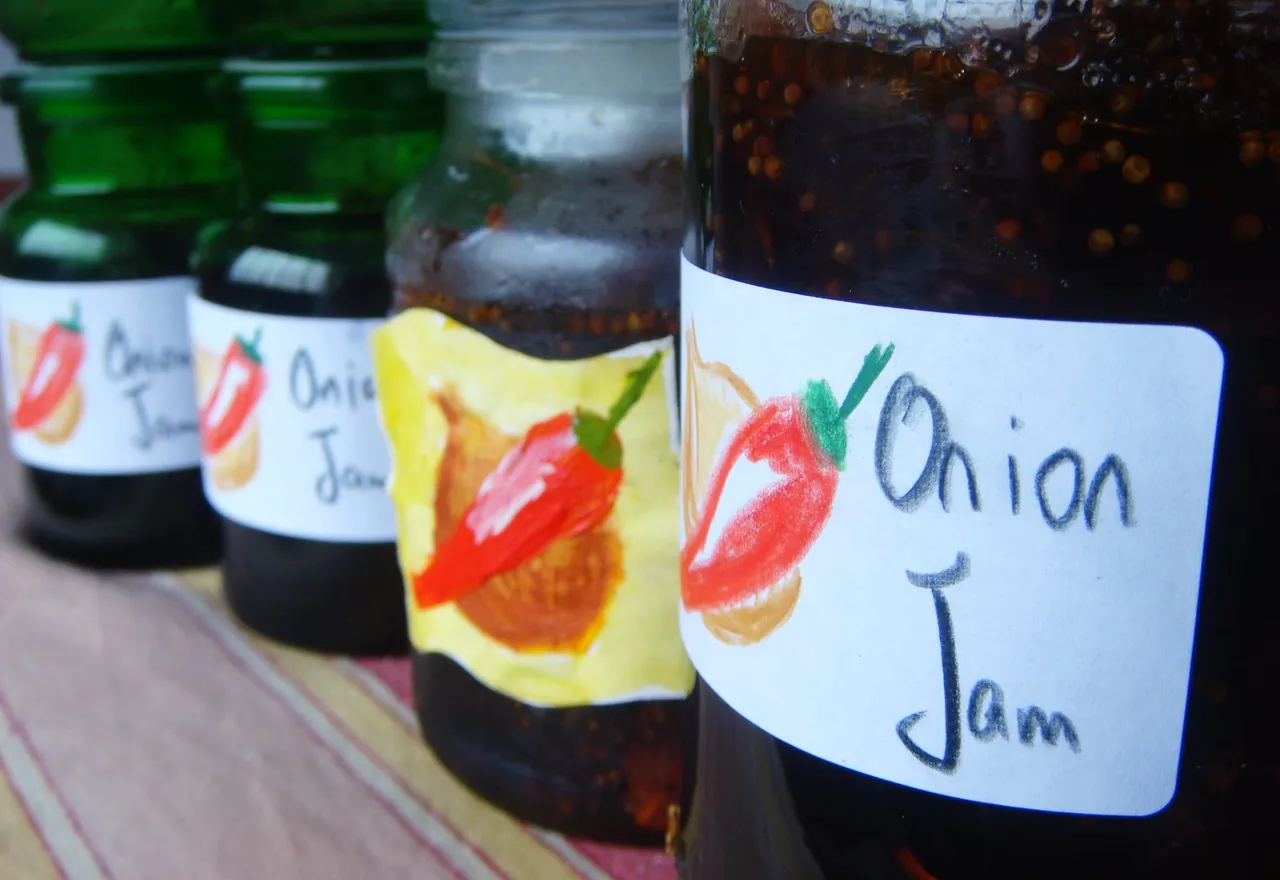
Pictured: Kyla’s onion jam with chilli
Combine sugar and other ingredients in a heavy pan over medium heat. Stir only until sugar is dissolved. Again, once boiling, swirl the pan occasionally, but do not stir.
AVOIDING PROBLEMS - When making caramel, there is a danger of crystallization - the formation of sugar crystals that can interfere with the syrup's texture. If the pan or spoon is not completely clean, if the syrup is stirred once it boils, or if the sugar is not properly dissolved, you’ll get lumps of sugar in the caramel.
This however is easy to avoid. First, make sure you have a perfectly smooth, clean pan. Do not forget to avoid stirring. To test the consistency, simply swirl it around in your pan.
Once the syrup begins to turn a light gold colour, watch it very carefully. You may want to take the pan off the heat for a minute to slow down the cooking. The heat of the pan will continue to cook the caramel, and you will be able to control the heat. To test for proper colour, take a spoonful from the pan and drip it on a paper plate or white napkin. The colour should be rich, golden brown.
If you want to use a candy thermometer, cook to about 340°F - 350°F. However, I find it easier to watch for the desired colour.
To stop the cooking, place the pan in a bowl of cold water. This ensures that the consistency stays like you want it. When you do this, be very careful not to splash any water into your caramel.